

Community Physiotherapy: A Complete Guide
Physiotherapy is one of the most effective interventions for improving mobility, managing pain, and maintaining independence. Yet for many Australians, accessing traditional clinic-based physiotherapy presents significant challenges. Distance, transport difficulties, mobility limitations, and the demands of daily life can all create barriers to consistent care.
Community physiotherapy offers a solution. By bringing expert physiotherapy services directly to people’s homes, aged care facilities, and community settings, this model of care removes barriers and makes rehabilitation accessible to those who need it most.
This comprehensive guide explores what community physiotherapy is, how it works, who benefits, and why it’s becoming an increasingly important part of Australia’s healthcare landscape.
What Is a Community Physiotherapist?
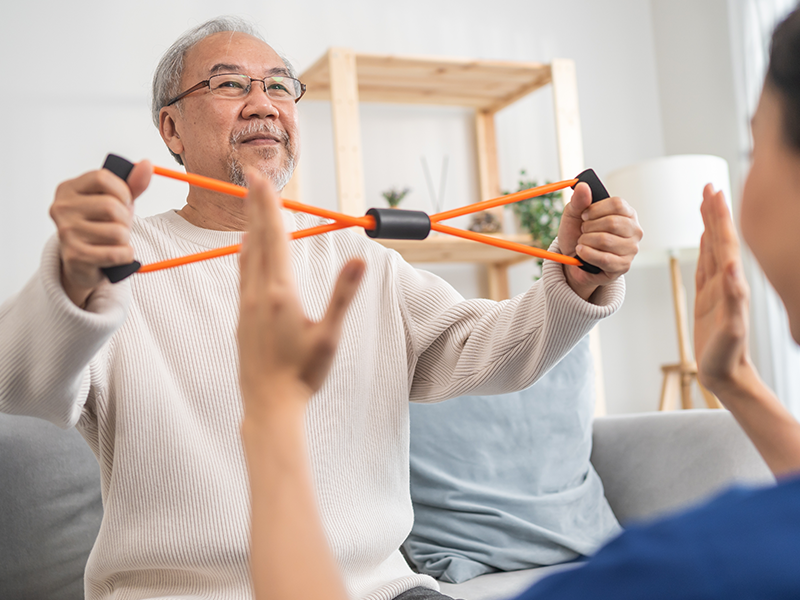
You’re probably familiar with physiotherapists in various settings: on sports fields treating athletes, in private clinics with exercise equipment, on hospital wards working with inpatients. But what makes community physiotherapists different?
As the name suggests, a community physiotherapist provides rehabilitation services directly in the community rather than in a fixed clinic location. We come to you, wherever that might be: your home, a respite facility, an aged care residence, a swimming pool for hydrotherapy, or even the local park.
This mobile approach allows for a more holistic focus on your rehabilitation and care. Rather than seeing you in isolation from your daily environment, we observe how you actually live and move. We can identify challenges specific to your living situation and develop strategies that work in your real-world context.
Community physiotherapists work with people of all ages, from infants to older adults. We serve those who may not be able to leave home due to mobility concerns, those for whom travel to clinics is impractical or risky, and those who simply prefer the convenience and comfort of treatment in familiar surroundings.
Like all physiotherapists, community physiotherapists are university-trained and registered with the Australian Health Practitioner Regulation Agency (AHPRA). We’re qualified to assess, diagnose, and help you manage a wide range of physical and neurological conditions. The difference is simply where we deliver that care.
The Growing Need for Community Physiotherapy
Several factors are driving increased demand for community-based physiotherapy services across Australia:
An Ageing Population: Australia’s population is ageing rapidly. By 2057, it’s projected that one in four Australians will be aged 65 or over. This demographic shift means more people living with conditions that affect mobility, balance, and function, and more people who find it difficult to travel to clinic appointments.
Hospital Avoidance Initiatives: Healthcare systems are increasingly focused on keeping people out of hospital where possible. Community-based services, including physiotherapy, play a crucial role in managing conditions at home, preventing falls and injuries, and supporting discharge from hospital.
Preference for Ageing in Place: Research consistently shows that most older Australians prefer to remain in their own homes as they age, rather than moving to residential care. Community physiotherapy supports this preference by helping people maintain the function and safety they need to stay at home.
The NDIS: The National Disability Insurance Scheme has expanded access to allied health services for Australians with disabilities. Many NDIS participants access physiotherapy in their homes or community settings as part of their support plans.
Recognition of Context-Specific Care: There’s growing recognition in rehabilitation science that treatment in a person’s actual environment produces better functional outcomes. Community physiotherapy applies this evidence by delivering care where people live and function.
How Can Community Physiotherapy Help?
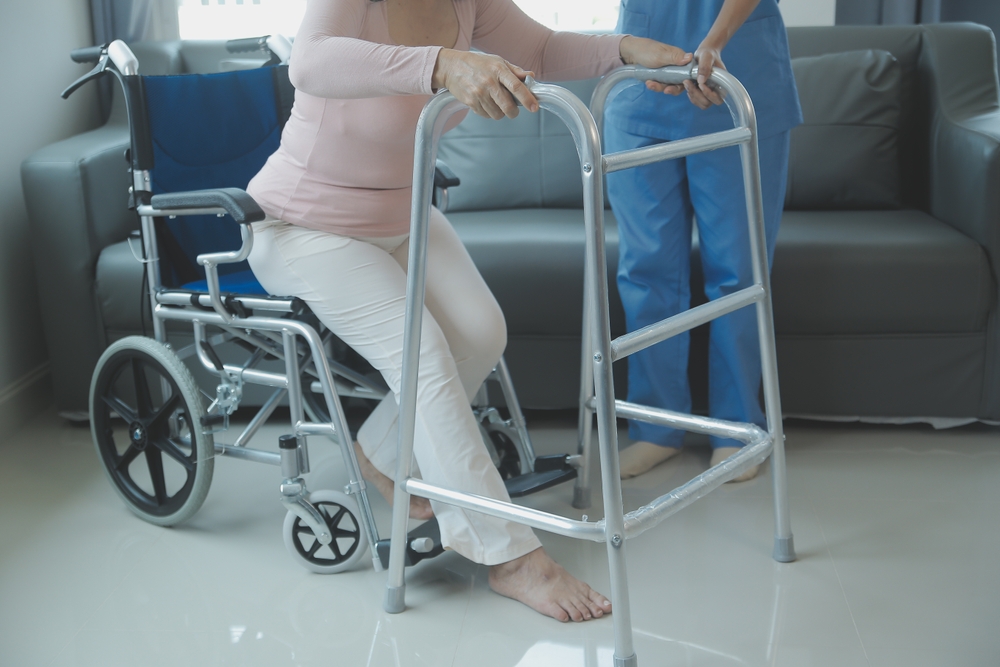
Community physiotherapists provide the same quality of care you would expect from any physiotherapy service, adapted for home and community environments. Our services include:
- Comprehensive assessment: We identify physical limitations, pain, or dysfunction that affects your quality of daily living. Because this assessment happens in your actual environment, we can observe how you move through your home, identify specific challenges with your layout and surfaces, and understand the functional demands of your daily routine. This contextual assessment provides insights that would never be apparent in a clinic setting.
- Personalised treatment plans: After assessment, we develop a tailored treatment plan that suits your needs, abilities, and goals. This may include:
- Therapeutic exercises to improve strength, balance, and mobility
- Hands-on techniques for pain management and joint mobility
- Gait training and walking practice in your actual environment
- Balance exercises and falls prevention strategies
- Education about your condition and self-management approaches
- Practical advice for daily activities and energy conservation
- Promoting independence: A core goal of community physiotherapy is supporting your independence. We can recommend and train you in using assistive devices such as walking frames, wheelchairs, crutches, and other mobility aids. Combined with balance and coordination exercises, this helps you move safely and confidently at home and in the community. We also provide advice on home modifications that might improve your safety and function.
- Collaborative care: Healthcare rarely happens in isolation. We work alongside other members of your care team, including:
- General practitioners and medical specialists
- Support coordinators and plan managers (for NDIS participants)
- Occupational therapists and other allied health professionals
- Nurses and personal care workers
- Family members and informal carers
Who Benefits from Community Physiotherapy?
Community physiotherapy serves a diverse range of people across all life stages. The common thread is that traditional clinic-based care is difficult to access or would be less effective than treatment in the person’s own environment.
Older Adults and Seniors:
Aged care physiotherapy addresses conditions common in older age. For seniors who find travelling to appointments exhausting, risky, or simply impractical, community physiotherapy ensures they can still access expert care. Common focuses include falls prevention, maintaining mobility and independence, managing arthritis and chronic pain, and supporting recovery after illness or hospitalisation.
People with Neurological Conditions:
Those living with stroke, multiple sclerosis, Parkinson’s disease, motor neurone disease, spinal cord injuries, cerebral palsy, and other neurological conditions often benefit significantly from community physiotherapy. The home environment allows for practice of real-world functional tasks, and the familiar setting can reduce anxiety and improve engagement with treatment.
NDIS Participants:
NDIS physiotherapy can be delivered in the home or community as part of capacity building supports. For participants with physical or intellectual disabilities, autism, or developmental conditions, community-based care removes barriers to access and supports skill development in everyday environments. The social aspects of community participation can also be addressed through physiotherapy in relevant settings.
Post-Surgical Patients:
Following hip or knee replacements, spinal surgery, or other procedures, post-surgical rehabilitation at home allows recovery to begin immediately without the challenge of clinic travel. For many people, the early post-operative period is when they’re least able to travel but most in need of physiotherapy input. Community physiotherapy bridges this gap.
People in Regional or Underserved Areas:
For those living in areas with limited access to physiotherapy clinics, community physiotherapy bridges the geographical gap. Rather than travelling long distances for appointments, expert care comes to you.
Residents of Aged Care Facilities:
Many older Australians living in residential aged care benefit from physiotherapy to maintain or improve their function. Community physiotherapists visit facilities to provide individual treatment, group exercise sessions, and staff education.
What Conditions Do Community Physiotherapists Treat?
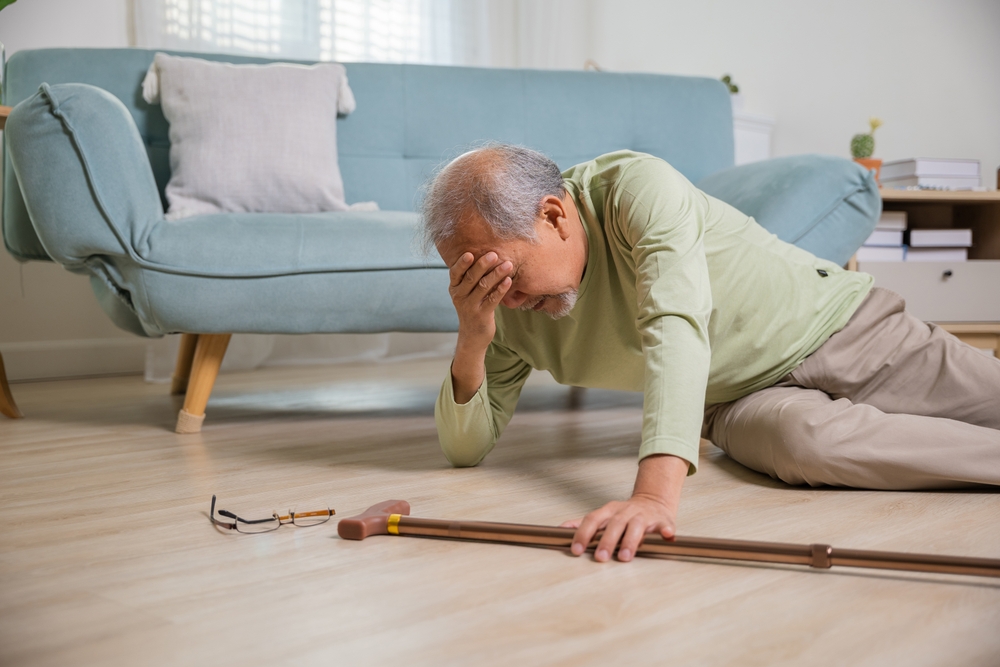
Community physiotherapists treat the same broad range of conditions as their clinic-based colleagues. The difference is the setting, not the scope of practice. Common conditions include:
- Chronic and neurological conditions
- Multiple sclerosis
- Parkinson’s disease
- Motor neurone disease
- Spinal cord injury
- Stroke recovery
- Acquired brain injury
- Muscular dystrophy and other muscle-wasting conditions
- Chronic obstructive pulmonary disease (COPD)
- Heart failure and other cardiac conditions
- Intellectual disabilities
- Autism spectrum conditions
- Cerebral palsy
- Age-related conditions
- Osteoarthritis and rheumatoid arthritis
- Osteoporosis
- Dementia-related mobility issues
- Chronic back, hip, and knee pain
- Balance disorders and vestibular conditions
- Falls prevention and post-fall rehabilitation
- General deconditioning and frailty
- Reduced mobility and walking difficulties
- Sports and musculoskeletal injuries
- Ligament and tendon injuries
- Muscle strains and tears
- Joint sprains
- Overuse injuries
- Back and neck pain
- Post-surgical rehabilitation
- Total knee replacement recovery
- Total hip replacement recovery
- Shoulder surgery rehabilitation
- Spinal surgery recovery
- Cardiac surgery rehabilitation
- General post-operative deconditioning
What Happens During Community Physiotherapy Sessions?
If you’re considering community physiotherapy, understanding what to expect can help you prepare and get the most from your treatment.
Initial Assessment (First Session):
Your first session typically takes 45 to 60 minutes and includes:
- Discussion of your health history, current concerns, and goals
- Physical assessment of strength, flexibility, balance, and function
- Observation of how you move in your environment
- Identification of any safety concerns or environmental barriers
- Development of an initial treatment plan with clear goals
- Beginning of treatment where appropriate
- Provision of home exercises to practice between sessions
Follow-Up Sessions:
Subsequent sessions usually last 30 to 45 minutes and focus on:
- Reviewing your progress since the last session
- Hands-on treatment techniques as appropriate
- Supervised exercise and functional practice
- Progression of your exercise program
- Education and advice
- Planning for the week ahead
Between Sessions:
Your home exercise program is a crucial part of your treatment. The exercises prescribed are designed to be achievable, safe, and effective. Doing them consistently between sessions multiplies the benefit of your physiotherapy.
Community Physiotherapy vs Clinic-Based Care
Both community and clinic-based physiotherapy have important roles in Australia’s healthcare system. They’re not competing approaches but complementary options that suit different circumstances.
When Community Physiotherapy May Be Preferable:
- Travel to clinics is difficult, risky, or impossible
- Treatment in your actual environment will produce better functional outcomes
- Home safety assessment and modification advice is needed
- Family or carer training is an important component of care
- You prefer the comfort and convenience of home-based treatment
- Clinic environments cause anxiety or discomfort
- You’re in the early stages of recovery and not yet mobile enough for clinic visits
When Clinic-Based Care May Be Preferable:
- Access to specialised equipment like hydrotherapy pools or gym facilities is needed
- Group exercise classes are desired for social connection and motivation
- Your condition is well-suited to clinic-based treatment and you can easily attend
- You prefer to separate your treatment space from your home
Many people benefit from a combination of approaches. For example, someone recovering from a hip replacement might start with community physiotherapy while they’re most limited in mobility, then transition to clinic-based or group exercise programs as their function improves.
Funding Community Physiotherapy
Several funding options may cover community physiotherapy services:
NDIS: Participants with physiotherapy in their plans can use NDIS funding for community-based services. Physiotherapy typically falls under Capacity Building supports.
Home Care Packages: Older Australians with government-funded Home Care Packages can often use their funding for physiotherapy services.
Department of Veterans’ Affairs: DVA clients may be eligible for physiotherapy under various programs.
Private Health Insurance: Some private health funds cover home-based physiotherapy. Check with your insurer about your specific coverage.
Medicare: In some circumstances, Medicare may cover physiotherapy through Chronic Disease Management plans or other programs. Speak with your GP about your options.
Private Payment: Self-funded physiotherapy is also available for those who prefer not to use or don’t have access to funded options.
Why We Do What We Do
We believe that having a disability, injury, or condition that limits you from leaving home should not prevent you from accessing quality physiotherapy. Our goal is to provide rehabilitation in the comfort of your own home or a location where you feel comfortable and supported.
Being able to move safely at home and in your community isn’t just about physical function. It’s about participation, connection, and quality of life. When you can walk to the letterbox, visit a neighbour, attend family events, or simply move around your own home with confidence, life is richer and more meaningful.
We’re also here to support the ageing population to age in place with dignity and independence. We aim to help keep people out of hospital through preventive care and effective management of chronic conditions. And we serve communities across Greater Brisbane who may have difficulty accessing clinic-based physiotherapy.
Access Community Physiotherapy in Brisbane
Our Home Rehab provides community physiotherapy services across Greater Brisbane, including Brisbane City, Logan, Ipswich, Redland Bay, and Moreton Bay. Our team of qualified physiotherapists delivers expert, client-centred care in homes, aged care facilities, and community settings.
We offer services in English, Mandarin (普通话), and Vietnamese (Tiếng Việt) to support Brisbane’s multicultural communities.
Whether you’re managing a chronic condition, recovering from surgery, or seeking physiotherapy for an elderly family member, we’re here to help.
Ready to get started?
Contact us on (07) 3522 2831 or email admin@ourhomerehab.com.au to discuss how community physiotherapy can support your goals.
]]>